Clean Architecture and Source Code Ownership in Enterprise
Engineering guide to preventing technical debt, implementing decoupled layers, and retaining full source code IP in mission-critical platforms.
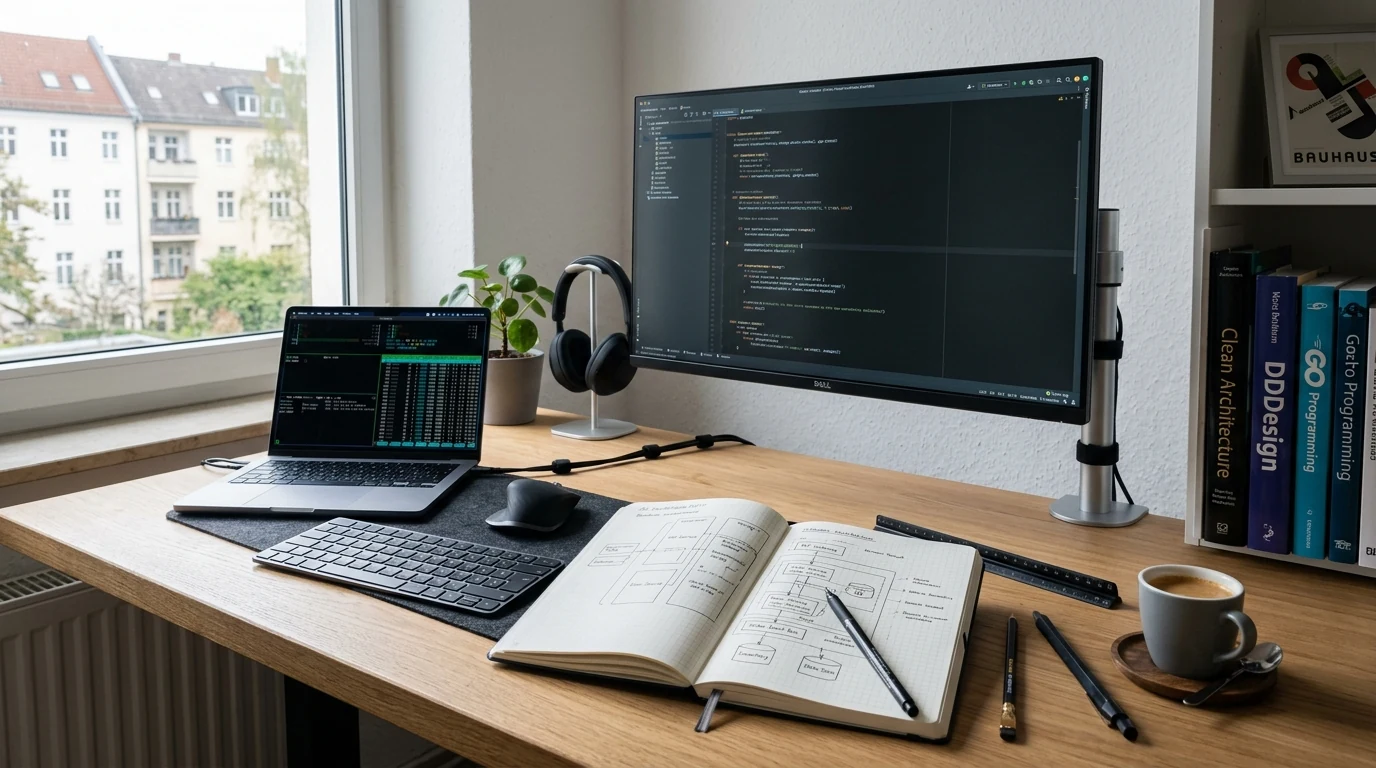
Engineering guide to preventing technical debt, implementing decoupled layers, and retaining full source code IP in mission-critical platforms. Empirical architectural paradigms validated in live production enterprise systems.
The single greatest threat to custom enterprise software projects is the exponential buildup of technical debt following the initial delivery phase. When core business workflows are tightly coupled to specific databases or UI frameworks, organizations lose their engineering agility.
Why Clean Architecture is Essential
- Independent Business Logic: Your core operations must not depend on React, PostgreSQL, or any cloud infrastructure vendor.
- Deterministic Testability: All domain rules can be validated in milliseconds through automated unit test suites without running live servers.
- Seamless Handover: A decoupled codebase can be handed over to any internal engineering team and maintained with zero friction.
Source Code IP as a Risk Mitigation Strategy
While off-the-shelf SaaS solutions offer short-term convenience, they hold proprietary workflows hostage. 100% source code ownership guarantees true digital sovereignty and builds lasting enterprise asset value.
Conclusion
Rigorous software engineering is not an aesthetic preference; it is the most economically sound investment strategy for scalable digital platforms.
Munich Peer-Review Board
This technical report was rigorously peer-reviewed by the Deuthse Munich Engineering Board for architectural soundness prior to publication.
Discuss Architecture Scope
Scope your upcoming systems architecture directly with a Principal Engineer in a complimentary 30-minute discovery session.